
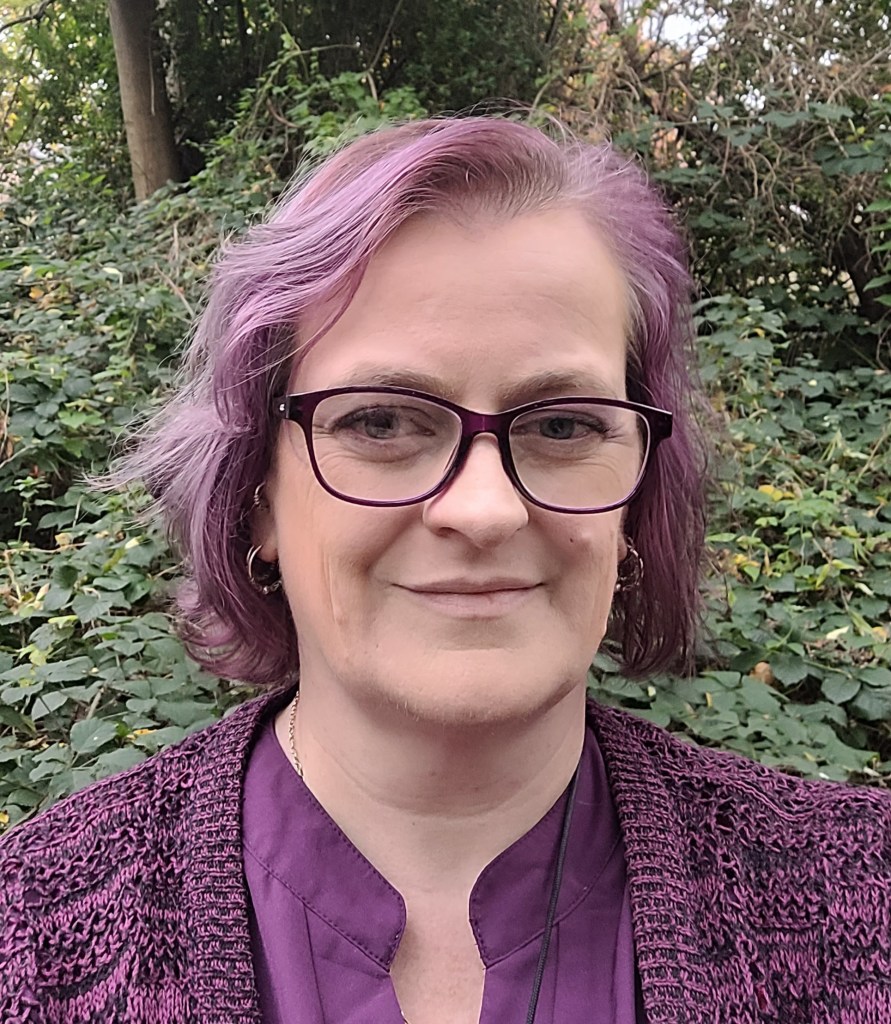
Hello, I’m Sue
I’m a counsellor and supervisor offering both in-person in Sheffield and online therapy across the UK. While I have extensive experience in areas such as trauma, neurodivergence and identity, I don’t see people as a collection of issues or labels. I work with the whole person — their history, relationships, strengths, struggles and the wider contexts that have shaped them.
Many of the people I work with are late-diagnosed or self-identified neurodivergent adults, survivors of childhood abuse, and people questioning identity, including trans clients. I aim to offer a calm, compassionate and gender-affirming space where you do not need to explain or justify who you are.
I’m based in Sheffield and work from The Practice Rooms on Wilkinson Street as well as offering sessions online via Zoom from home.
The Practice Rooms | Beautiful therapy rooms to rent
How I came to this work
My background spans several sectors before I retrained as a counsellor, and that variety continues to shape how I understand people. The clients I work with often bring complex, overlapping experiences — trauma, identity questions, burnout, neurodivergence, relationship patterns — and my role is to help them make sense of these experiences in a way that honours their individuality rather than fitting them into a single framework.
I have specialist experience in trauma, domestic and sexual abuse, and neurodivergence, but I hold this expertise lightly. People rarely come to therapy with one neatly defined issue, and I’m mindful not to reduce anyone to a category. Instead, I use my knowledge to support a deeper understanding of the person in front of me — their emotions, relationships, identity and sense of self.
My early counselling work was within domestic abuse services — an area I have since returned to and continue to work in. I currently support survivors of physical, emotional, psychological, financial and sexual abuse, including adults who experienced abuse in childhood. I also have extensive experience working with adult survivors of childhood sexual exploitation, including those affected by grooming gangs, supporting them with shame, self-blame and the long-term impact on identity and relationships.
In the NHS, I worked as a counsellor supporting adults diagnosed with autism, many of whom were diagnosed later in life. Therapy often focused on making sense of past experiences through a neurodivergent lens, processing feelings around diagnosis, and exploring identity in a way that felt personal rather than prescriptive.
I have also worked with university students in both counselling and wellbeing mentoring roles, supporting people with stress, anxiety, workload pressures, loss, relationships, identity development and transitions.
Values and approach
My approach is trauma‑informed, relational and non‑pathologising. I draw on specialist knowledge where it’s helpful, but I’m always guided by the person rather than the problem. Distress often makes sense when we understand the contexts people have lived through, and therapy can be a space to explore that complexity with compassion and curiosity.
I work in a way that is led by you. Some people need space and silence to process; others find silence difficult and want more support or structure. I will always check in with you and adapt to what feels most helpful.
I am an LGBT+ ally and have worked with many clients across the LGBT+ community, including people at different stages of transitioning. While gender and sexuality may be central to some people’s work, I also respect that these identities may not be the primary reason someone seeks counselling.
Qualifications and training
- BSc Psychology – Sheffield Hallam University
- Diploma in Person-Centred Counselling and Psychotherapy – Temenos Education
- MSc Advanced Counselling and Psychotherapy (Supervision) – University of Salford
My research explored the impact of early childhood trauma on people going through the menopause.


